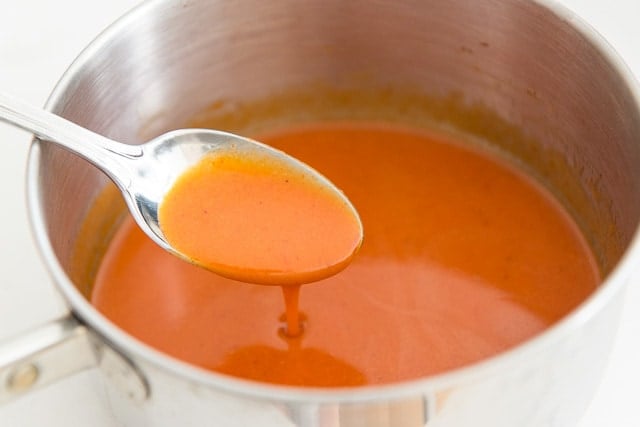
Unleash the Flavor: Master Your Own Homemade Buffalo Wing Sauce
Forget the bottled stuff with its artificial taste and questionable texture. If you've ever dreamt of a buffalo wing sauce that's rich, buttery, perfectly tangy, and delivers just the right kick of heat, then you're in the right place. Mastering your own buffalo wing sauce recipe isn't just easy; it's a revelation that will forever change your perception of this iconic condiment. In mere minutes, you can whip up a batch that’s superior in every way to anything you’ll find on a grocery store shelf, ready to coat your crispy wings, elevate your dips, or add a zesty punch to countless dishes.
There's a reason why homemade buffalo sauce disappears so quickly in homes across the country. That perfect balance of savory butter, fiery hot sauce, and bright acidity is utterly crave-worthy. And the best part? It's completely customizable. Whether you prefer a mild warmth or a full-on inferno, you hold the power to tailor your sauce exactly to your liking. Get ready to create a bold, unforgettable flavor that clings to every nook and cranny of your favorite wings and more!
Why Homemade Buffalo Wing Sauce Reigns Supreme
The allure of a homemade buffalo wing sauce recipe lies in its unparalleled freshness and control. While convenience often dictates reaching for a store-bought bottle, the compromise in flavor and quality is significant. Homemade sauce, by contrast, offers a culinary experience that is simply unmatched:
- Superior Flavor Profile: Commercial sauces often rely on preservatives and stabilizers that dull the vibrant notes of hot sauce and butter. Your homemade version, made with fresh, simple ingredients, bursts with a richness and tang that's truly authentic. The butter flavor, in particular, is richer and more pronounced.
- Perfect Texture and Cling: The precise ratio of butter to hot sauce in a homemade blend creates a velvety, emulsified texture that perfectly coats wings. It adheres beautifully, ensuring every bite is saturated with flavor, unlike some thin, watery store-bought options.
- Customizable Heat and Balance: This is where homemade truly shines. You can adjust the level of spiciness, sweetness, and tang to suit your personal preference, ensuring your sauce is never too mild, too fiery, or too acidic.
- Speed and Simplicity: Believe it or not, crafting this sauce from scratch is incredibly fast. We're talking 5 minutes or less from pantry to plate. It's so quick, it almost feels like cheating! For more on how quickly you can achieve this, check out our guide on Minute Homemade Buffalo Sauce: Better Than Any Bottle.
The Essential Ingredients for Your Perfect Buffalo Wing Sauce Recipe
At its heart, a classic buffalo wing sauce recipe is deceptively simple, often credited with just two core ingredients: hot sauce and butter. However, to truly elevate it beyond basic, adding a few common pantry staples creates a depth of flavor and a harmonious balance that makes it irresistible. Here’s what you’ll need:
- Hot Sauce: This is the soul of your buffalo sauce. For an authentic flavor, most aficionados recommend using a cayenne pepper-based hot sauce like Frank's RedHot Original. Its vinegar base and moderate heat are the perfect foundation. Avoid overly smoky or extremely fiery hot sauces unless you specifically desire those flavor profiles, as they can overpower the buttery richness.
- Unsalted Butter: The fat component that gives buffalo sauce its luxurious richness and helps it cling. Using unsalted butter allows you to control the overall saltiness of your final sauce. If you only have salted butter, simply omit any additional salt until you've tasted the finished product.
- Garlic Powder: Adds a mellow, savory undertone without the raw bite of fresh garlic. It contributes to the sauce's overall depth.
- Worcestershire Sauce: A secret weapon for umami richness. Just a splash brings a subtle, complex savoriness that rounds out the flavors beautifully.
- White Vinegar: While your hot sauce already has a vinegar base, an extra touch of white vinegar brightens the sauce and sharpens its tang, providing that signature Buffalo zest.
- Cayenne Pepper (Optional): For those who crave an extra layer of heat. Add a pinch for a gentle warmth or more for a fiery kick.
- Salt (Optional): Always taste your sauce before adding salt. Depending on your hot sauce and butter, you may not need any extra.
- Honey (Optional for Sweetness/Stickiness): For a slightly sweeter, more "sticky" sauce that adheres particularly well to breaded or air-fried wings, stir in 2-3 teaspoons of honey. It also helps balance intense heat.
Crafting Your Signature Buffalo Wing Sauce: A Step-by-Step Guide
Making homemade buffalo sauce is a straightforward process that takes mere minutes. Here’s how to do it perfectly, whether you prefer the stovetop method or a no-cook option:
Stovetop Method (Recommended for Best Flavor and Texture)
- Melt the Butter: Add your unsalted butter to a medium saucepan. Place it over medium heat and allow it to melt completely.
- Reduce Heat & Whisk: Once the butter is fully melted, immediately reduce the heat to low. This is crucial to prevent the sauce from separating once the hot sauce is added.
- Combine Ingredients: Pour in the hot sauce, white vinegar, Worcestershire sauce, and garlic powder. If using, add the cayenne pepper and honey at this stage too.
- Warm Until Silky: Whisk vigorously and continuously for 2 to 3 minutes. The goal is to gently warm the sauce through and allow all the flavors to meld, creating a smooth, cohesive emulsion. Avoid boiling the sauce, as high heat can cause the butter and hot sauce to separate, resulting in a greasy texture.
- Taste and Adjust: Remove the sauce from the heat. Taste and add salt if needed. Adjust cayenne pepper for more heat or a touch more honey for sweetness, whisking well after each addition.
No-Stove Option (Quick & Easy)
If you're truly in a rush or prefer not to use the stovetop, you can still make a delicious buffalo sauce:
- Soften Butter: Ensure your butter is very soft, almost melted, but not hot. You can microwave it in 10-second bursts until it's just about liquid.
- Whisk Everything: In a medium bowl, combine the softened butter, hot sauce, white vinegar, Worcestershire sauce, garlic powder, and any optional cayenne pepper or honey.
- Vigorously Whisk: Whisk everything together extremely well until completely smooth and emulsified. While this method works, gently warming the sauce on the stovetop often results in a better, more stable emulsion and deeper flavor integration.
Customizing Your Heat and Flavor Profile
This is where your homemade sauce truly becomes yours. Don't be afraid to experiment!
- Adjusting Heat: The base hot sauce provides inherent heat. For more, slowly add cayenne pepper, a quarter teaspoon at a time, tasting after each addition until you reach your desired level of spice.
- Adding Sweetness: As mentioned, honey is fantastic for balancing heat and adding a pleasant stickiness. Maple syrup is another great alternative for a slightly different flavor profile.
- Beyond the Basics: For an even more complex flavor, consider a tiny pinch of onion powder or a dash of smoked paprika. Some chefs even add a touch of brown sugar for a deeper, caramelized sweetness.
Beyond Wings: Versatile Uses for Your Homemade Buffalo Sauce
While the name implies a singular purpose, your homemade buffalo wing sauce recipe is far too delicious to be confined to just wings. Its tangy, buttery, and spicy profile makes it an incredibly versatile condiment that can elevate countless dishes. Here are just a few ideas:
- Buffalo Chicken Dip: A classic game-day favorite. Mix your sauce with shredded chicken, cream cheese, and ranch or blue cheese dressing for an irresistible dip.
- Buffalo Cauliflower: A fantastic vegetarian alternative to wings. Toss roasted or baked cauliflower florets in your sauce. It’s perfect for the crispy, breaded versions you might make in an air fryer.
- Sandwiches and Wraps: Drizzle over grilled chicken sandwiches, mix into chicken salad, or use as a spread in wraps for a zesty kick.
- Pizza Topping: Swap out traditional tomato sauce for buffalo sauce on your next pizza, topped with chicken, red onion, and mozzarella.
- Eggs: A surprising but delicious addition to scrambled eggs, omelets, or breakfast burritos.
- Dipping Sauce: Serve it on the side with chicken tenders, onion rings, French fries, or even fresh veggie sticks.
- Popcorn: A light drizzle (and a quick shake) transforms plain popcorn into a spicy, buttery snack.
The original buffalo sauce was created in Buffalo, New York, at the Anchor Bar, by Teressa Bellissimo, who famously combined hot sauce, butter, and cayenne pepper. Recreating this classic at home allows you to experience the authentic taste that started it all. For more on how to achieve that iconic flavor, take a look at our article on Easy Buffalo Sauce: Recreate the Anchor Bar Classic at Home.
Expert Tips for the Best Buffalo Wing Sauce Every Time
- Keep it Low and Slow: Always melt butter over medium heat, then reduce to low before adding other ingredients. Avoid boiling at all costs to prevent separation.
- Whisk Vigorously: Consistent whisking is key to creating a smooth, emulsified sauce where the butter and hot sauce are perfectly blended.
- Taste, Taste, Taste: Your palate is your best guide. Adjust heat, tang, and salt as needed. A small taste will tell you if it needs a little more of anything.
- Toss While Hot: For wings, toss them in the hot sauce immediately after they come out of the oven or air fryer. The warmth helps the sauce cling better and intensifies the flavor.
- Storage: Store leftover buffalo sauce in an airtight container in the refrigerator for up to 1-2 weeks.
- Reheating: Gently reheat on the stovetop over low heat, whisking constantly, or in the microwave in short bursts, stirring frequently, until warmed through. If it separates slightly, a vigorous whisk can often bring it back together.
Conclusion
Ditching the store-bought bottles for a homemade buffalo wing sauce recipe is one of the easiest and most rewarding culinary decisions you'll make. Not only does it taste infinitely better with its rich, buttery texture and perfectly balanced tang and heat, but it also allows for complete customization to suit your specific cravings. In just a few minutes, with simple ingredients, you can whip up a sauce that will impress everyone and elevate any dish it touches. So, gather your ingredients, follow these simple steps, and prepare to master a condiment that will become your kitchen's secret weapon.
